Sound plays a critical role in many industries, from manufacturing to automotive engineering. The ability to not only measure but also visualise sound can provide engineers and technicians with valuable insights for improving product performance, safety, and user comfort. This is where the acoustic camera comes into play. By transforming sound into a visual representation, it allows for rapid identification of noise sources and helps guide effective solutions.
What is an Acoustic Camera?
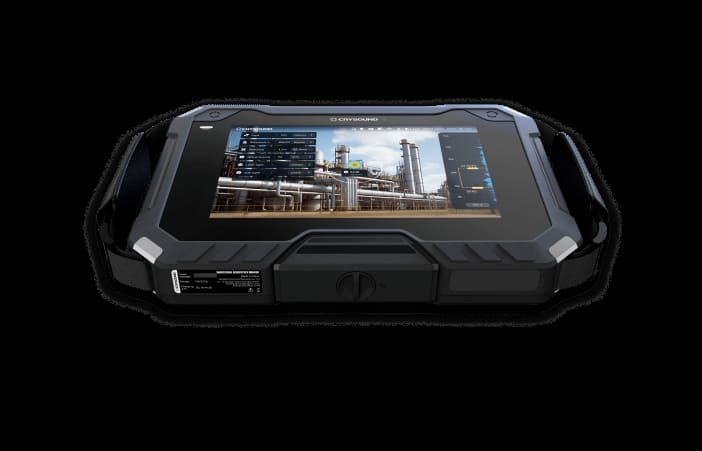
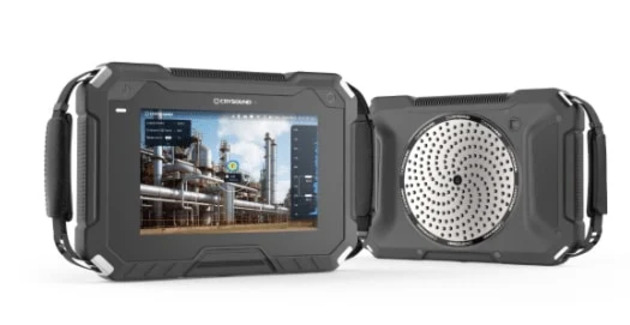
An acoustic camera is a specialised device that uses an array of microphones combined with advanced software to locate and visualise the origin of sounds. The data it collects is processed to produce an image or video, where colours or patterns indicate the intensity and position of the noise. This enables users to “see” sound in real time.
Unlike traditional sound measurement tools that provide only numerical data, an acoustic camera adds a spatial dimension to noise analysis, making it easier to detect specific problem areas. Whether it’s a rattling panel in a car or an air leak in a piece of machinery, the technology makes identifying sources far more efficient.
How Acoustic Cameras Work
Acoustic cameras operate by using beamforming technology. Multiple microphones capture sound waves, …